
Adventure Racing Events That Break the Mould
The best adventure racing events do not feel like a day spent chasing splits on a watch. They feel like wet feet at the paddle start, mud on your calves halfway through the run, a proper buzz in transition, and that quiet little moment afterwards when you realise you have done something bigger than a standard race entry ever promised.
That is exactly why more people are moving towards adventure formats. They want a challenge, but they also want a story. They want the test, the atmosphere, the landscape and the sense that the whole thing is built for real people who love being outdoors, not just seasoned racers who know every rule before they arrive.
Why adventure racing events are growing
There has been a shift in what active adults expect from endurance sport. For years, the classic formats dominated because they were familiar, measurable and easy to compare. But familiarity can become a bit flat. Many athletes still want structure and a proper event standard, yet they are increasingly drawn to races that feel more alive.
Adventure racing events answer that perfectly. They bring together endurance, terrain, weather, skill and mindset in a way that road-based formats often cannot. Even when the distances are achievable, the experience feels bigger because the environment plays a part. Wind matters. Surface matters. Route choice and pacing matter. That creates a challenge that feels genuine rather than manufactured.
There is also a cultural reason. People are not only signing up to exercise. They are signing up to belong to something. The strongest adventure events create community before the start line and long after the finish. Competitors chat while setting up kit, support each other out on course and stick around afterwards instead of heading straight home. That changes the whole feel of the day.
What makes a great adventure race
A great adventure race is not simply a harder race. Harder does not automatically mean better. The standout events balance challenge with accessibility, and excitement with organisation.
Course design matters first. The route should feel adventurous without becoming chaotic. Participants want terrain that is memorable, but they also need clear logistics, sensible safety cover and confidence that the event team knows exactly what they are doing. When that balance is right, the race feels free-spirited without ever feeling loose.
The atmosphere matters just as much. Some events make first-timers feel as though they have wandered into a private club. The best ones do the opposite. They welcome experienced competitors, curious newcomers and groups of mates with equal energy. That does not lower the standard. If anything, it strengthens it, because a confident event can be inclusive without losing its edge.
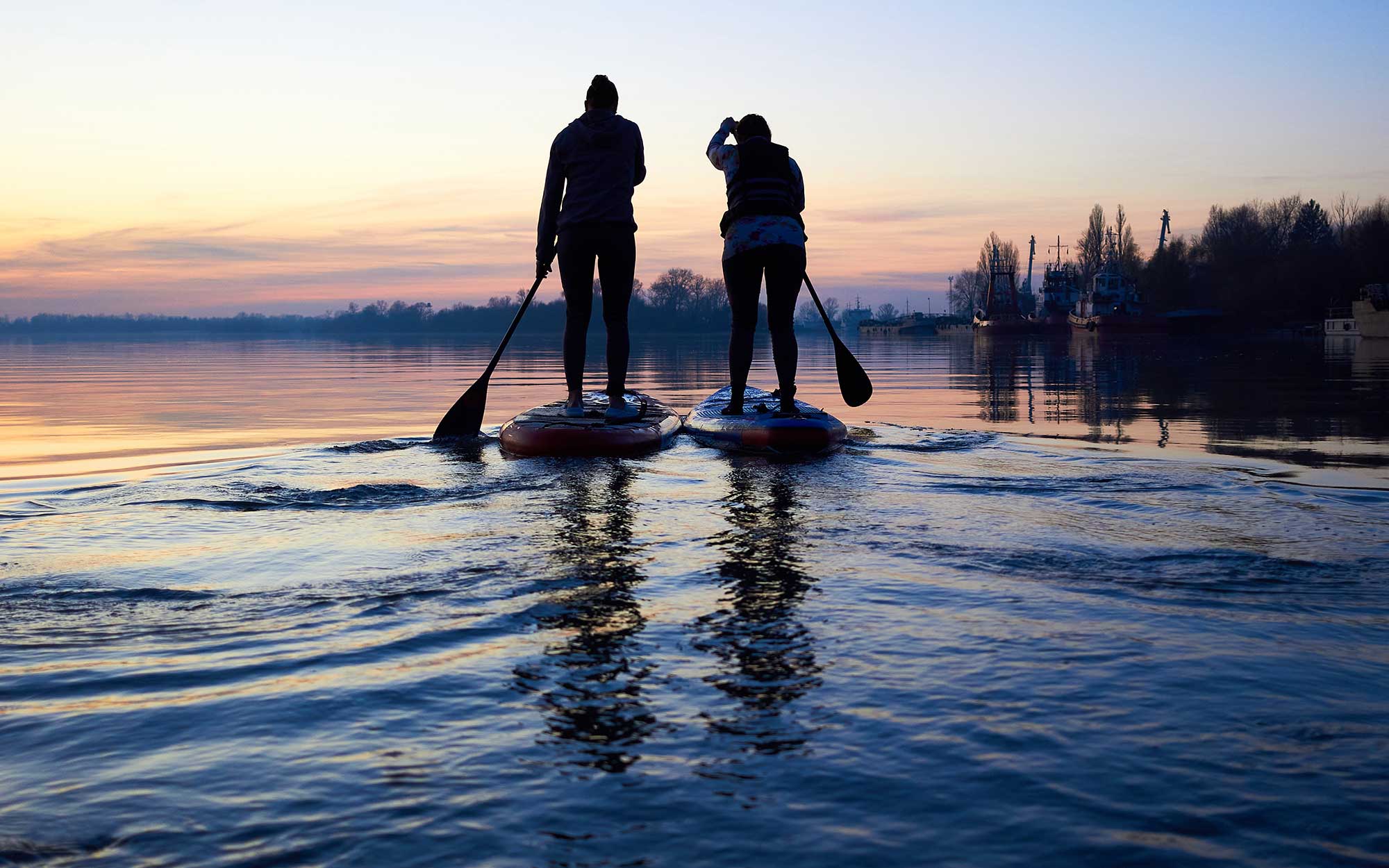
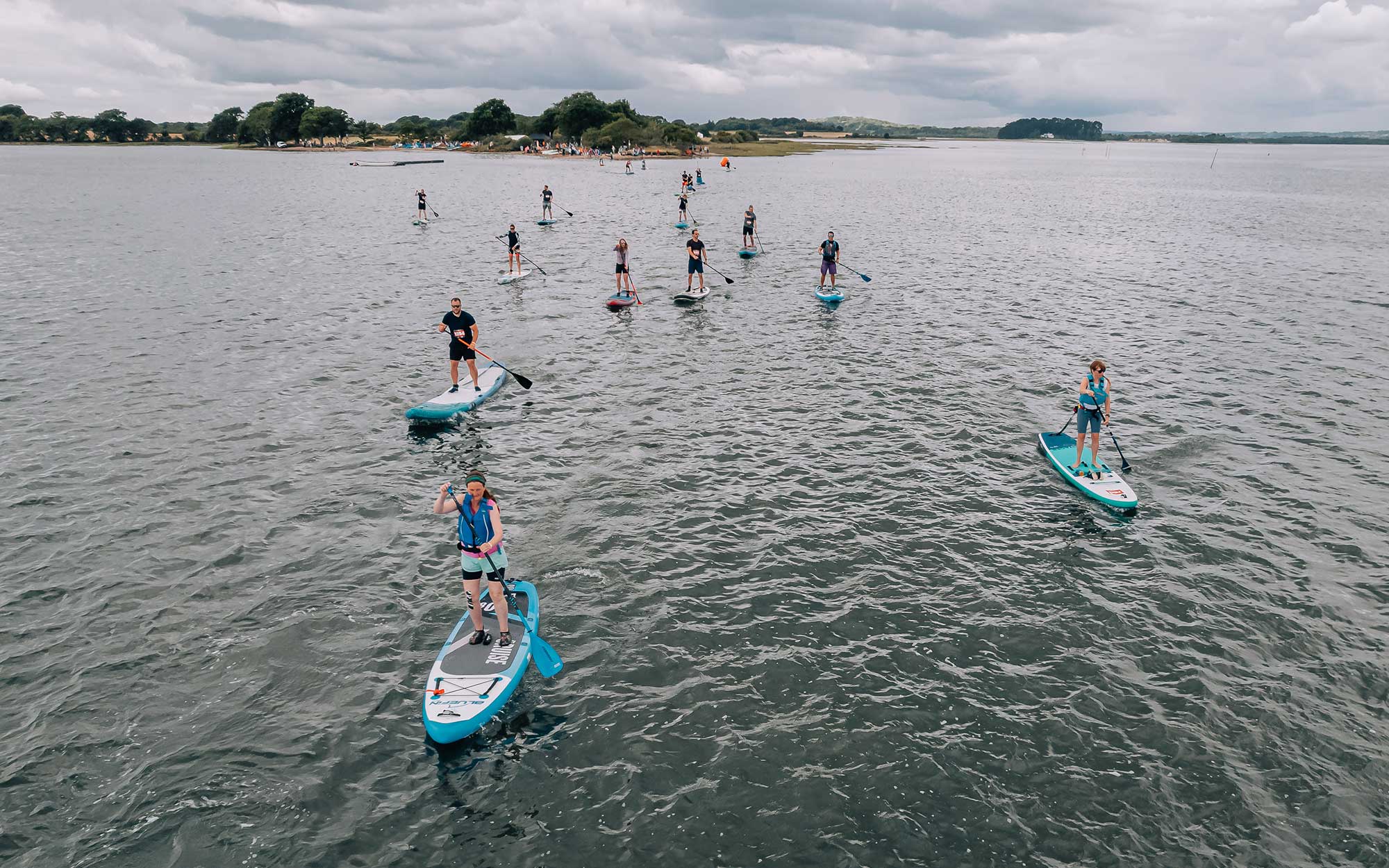
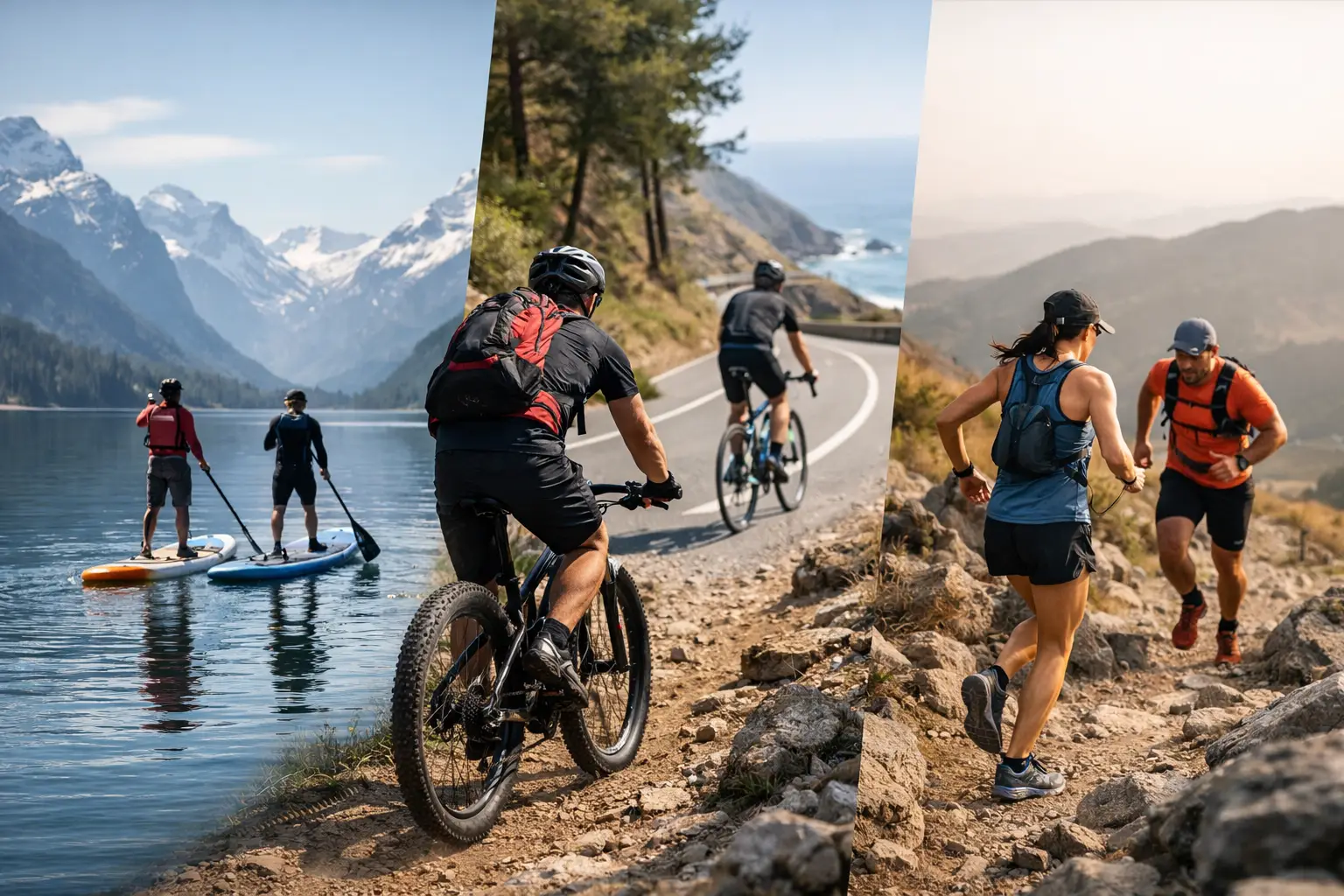
Then there is the format itself. This is where adventure racing gets interesting. Traditional swim-bike-run still has its place, but alternative combinations often create a more distinctive experience. Stand up paddleboarding, cycling and trail running, for example, turn a familiar multi-discipline challenge into something far more dynamic. The disciplines demand fitness, yes, but they also ask for adaptability, balance and a bit of grit when conditions change.
The appeal of alternative formats
One reason non-traditional races are gaining ground is simple: they are fun. Serious fun, if you like. You still train for them, you still respect them, and you still feel the effort. But the day itself has more personality.
A paddle-bike-run format is a good example. It keeps the flow of a multi-sport event while replacing the pool-lane mindset with something more adventurous. On a board, the environment is part of the challenge from the first stroke. On the bike, you carry momentum through changing terrain. On the run, you finish the job on trails that reward control and determination rather than just brute pace.
That kind of format attracts people who may have felt disconnected from more conventional triathlons. Some are strong cyclists or runners who want a fresh test. Some come from paddleboarding or outdoor fitness and like the idea of crossing disciplines. Others simply want an event that feels less formal and more memorable. It depends on the person, but the pattern is clear – if the race feels like an experience rather than a routine, people are more likely to come back.
Adventure racing events for first-timers
The phrase itself can sound intimidating. Adventure racing events often bring to mind extreme distances, navigation challenges and all-day suffering. Some do lean that way, and that is part of their appeal. But not every event is built for the hardened ultra crowd.
For newcomers, the best entry point is an event that is demanding but well supported. That means clear briefing, sensible cut-offs, obvious course marking, visible marshals and a setup that helps people focus on racing rather than worrying about avoidable confusion. A relaxed atmosphere also helps. People perform better when they feel welcome.
It is worth being honest here: adventure formats still ask more of you than a standard gym session or weekend parkrun. You may need to manage unfamiliar kit, transitions and terrain. You may have to stay calm when the weather turns. That is part of the reward. The point is not to remove the challenge. The point is to make it achievable.
If you are thinking about entering your first event, train for consistency rather than perfection. Get comfortable moving between disciplines. Practise fuelling. Test your kit before race day. Most of all, choose an event that values experience as much as results. You want a challenge, not a miserable initiation test.
Why organisation matters more than ever
Adventure should never mean guesswork. In fact, the more unconventional the event, the more important good organisation becomes.
Participants are usually happy to embrace unpredictable terrain and changing conditions. What they should not have to manage is poor communication, vague logistics or sloppy safety planning. Registration needs to be clear. Timings need to be accurate. Transitions, support crews, medical cover and route information all need proper thought behind them.
This is where the best brands stand apart. They create races with energy and personality, but they also put the infrastructure in place to make people feel looked after. That matters to first-timers who need reassurance, and to experienced racers who know how quickly an event can lose credibility when the basics are not nailed down.
A strong event team understands that confidence and excitement are not opposites. They work together. When people trust the setup, they relax into the challenge and enjoy it more.
More than a race day
The strongest adventure events do not begin at the starting horn and end at the medal table. They create a full experience around the race itself.
Camping is part of that for many people. Turning up the night before, sorting kit with friends, soaking up the atmosphere and waking up close to the action all add something extra. Spectators matter too. So do volunteers, who often help shape the mood of the event as much as the course does.
There is also growing interest from workplace teams and group entries. That makes sense. Adventure racing naturally encourages camaraderie because it gives people something richer to share than a finish time. A team can support each other through training, race-day nerves and the inevitable ups and downs on course. For companies, that can be far more meaningful than a standard away day.
This wider experience is a big part of why events such as SUPBIKERUN stand out. The race is central, of course, but the culture around it matters just as much. It feels like a challenge you sign up for and a community you step into.
Choosing the right adventure race for you
Not every event suits every athlete, and that is a good thing. Some people want pure competition. Others want a bold challenge with strong support and a weekend atmosphere. Some are motivated by technical terrain, while others care more about trying a new format in a great setting.
When comparing options, look beyond distance alone. Ask what kind of day you want. Do you want intense and stripped back, or welcoming and social? Do you want a niche event for specialists, or a multi-sport challenge that opens the door to a broader crowd? Do you want to chase a placing, or build a great memory with mates while still testing yourself properly?
Those are not soft questions. They are the questions that determine whether an event genuinely fits.
The right adventure race should leave you tired, proud and already half-thinking about the next one. That is usually the sign you chose well. If you are after an event that blends endurance with atmosphere, challenge with support, and competition with proper outdoor spirit, trust that instinct – the best days out are rarely the most conventional ones.